

If you are trying to choose the best flooring for kids and dogs, the real answer is usually not the most expensive option or the trendiest finish. It is the flooring that fits the way your home is actually used. That means it needs to handle muddy paws, dropped snacks, toy cars, spills, scratches and all the everyday traffic that comes with a busy household. At JPOrleans, we know good design choices feel best when they work beautifully in real life, not just on a sample board. Flooring is one of those decisions that affects how a home feels every single day, so it is worth thinking through with a little extra care.
The easiest way to make a flooring decision feel less overwhelming is to be honest about how your household really lives.
Do kids race through the kitchen in socks? Does the dog sprint to the back door every time someone says “walk”? Are drinks, art supplies or toys regularly ending up on the floor? If so, flooring needs to do more than look good. It needs to be forgiving.
This is why families often feel stuck between wanting something beautiful and wanting something practical. The good news is those two things do not have to fight each other. The more clearly we understand our routines, the easier it becomes to choose flooring that can keep up without making us nervous all the time.
Before comparing materials, it helps to know what really matters when searching for new homes that fit your lifestyle.
Scratch resistance is high on the list for obvious reasons. Water resistance matters too, especially in entry areas, kitchens, mudrooms and anywhere pet bowls or spills are part of the routine. Easy cleanup is a big one. So is comfort underfoot, especially if little kids spend a lot of time playing on the floor.
Noise is another factor that people sometimes forget until after they move in. Harder surfaces can echo more, especially with kids and dogs moving around. Then there is long-term durability. A floor can look great the day it goes in, but the better question is how it will feel after years of real use.
Luxury vinyl plank keeps coming up in family conversations because it solves a lot of practical problems at once.
It tends to handle moisture well, which makes it helpful in homes where spills and wet paws are just part of life. It is also usually easier to maintain than more delicate materials, and many people like that it offers the look of wood without the same level of worry. Underfoot, it can feel a little softer and quieter than tile, which is another reason it often works well in busy households.
This does not mean it is the right answer for everyone, but it is easy to understand why so many buyers consider it one of the strongest all-around options for the best flooring for kids and dogs.
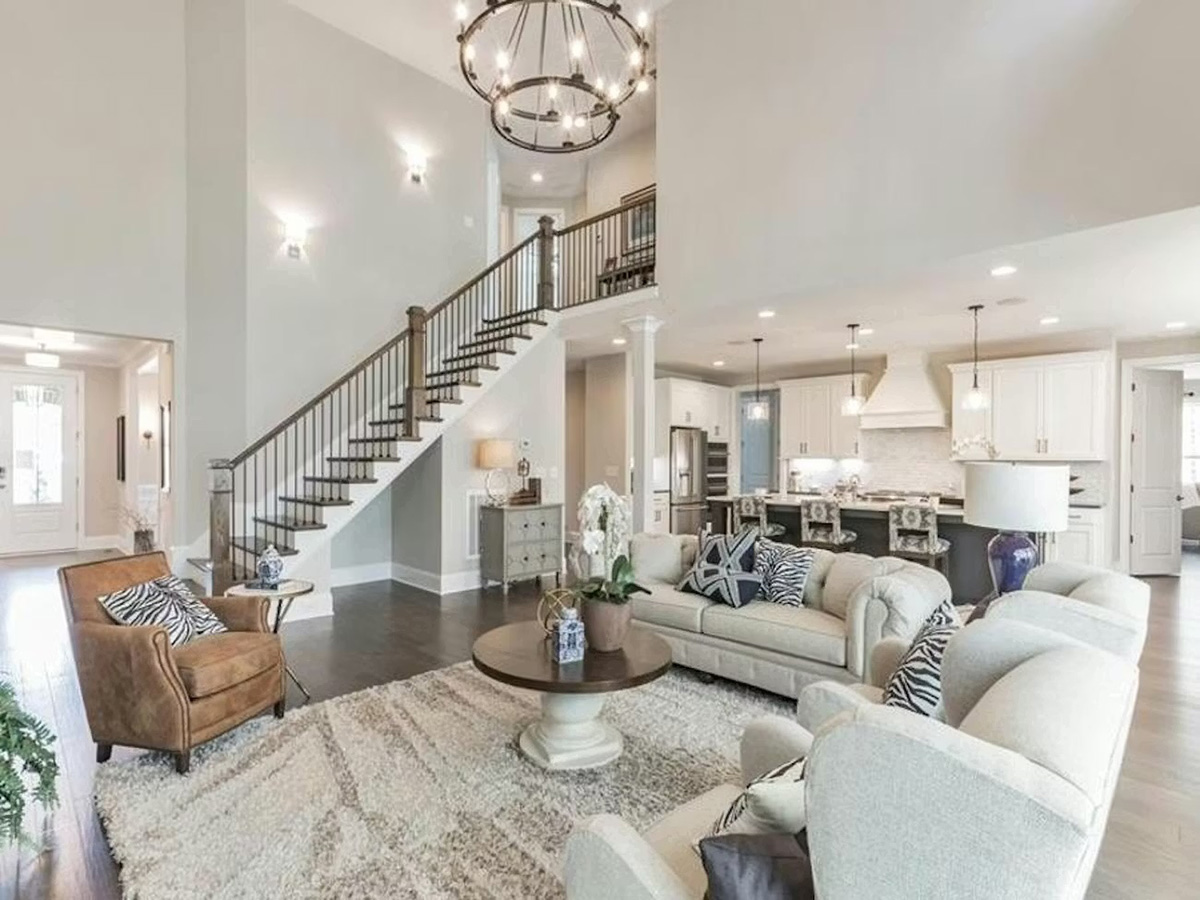
A family-friendly home does not automatically rule out hardwood looks.
Engineered hardwood can still be a strong choice when the goal is warmth, character and a more classic finish. It often appeals to buyers who want something timeless and natural-looking. The key is being realistic about where it works best and how much wear it will see.
For some households, engineered hardwood may be a better fit in living areas or dining spaces than in mudrooms or high-mess zones. It can absolutely be part of a beautiful, practical home, but it usually asks for a little more thought about maintenance and placement. That is not a drawback so much as a reminder that not every room has to solve the exact same problem.
Tile is one of the most durable flooring options in terms of moisture and cleanup, which makes it especially useful in bathrooms, laundry areas and sometimes entry spaces. It is hard-wearing and easy to wipe down, but it can also feel colder and harder underfoot, which is not always ideal in rooms where kids play often or where we spend a lot of time standing.
Carpet is almost the opposite. It is softer, quieter and often more comfortable in bedrooms or cozy spaces. But in high-traffic areas or rooms where spills, pet accidents and heavy wear are more likely, it can be harder to live with.
This is where room-by-room thinking starts to matter. Both materials can be right. They just are not usually right everywhere.
Sometimes the material gets all the attention, but the finish can make just as much difference in daily life.
Very dark floors can show dust, hair and crumbs more quickly. Very glossy finishes can highlight scratches and smudges. Extremely smooth surfaces may also show wear more easily than textured ones. In many homes, medium tones and lower-sheen finishes end up being the easiest to live with because they hide everyday mess a little better.
Texture can help too. A little variation in the surface often softens the look of wear and makes the floor feel more forgiving over time. These details may seem minor at first during the homebuilding process, but they can have a big effect on how the flooring feels after months and years of family life.
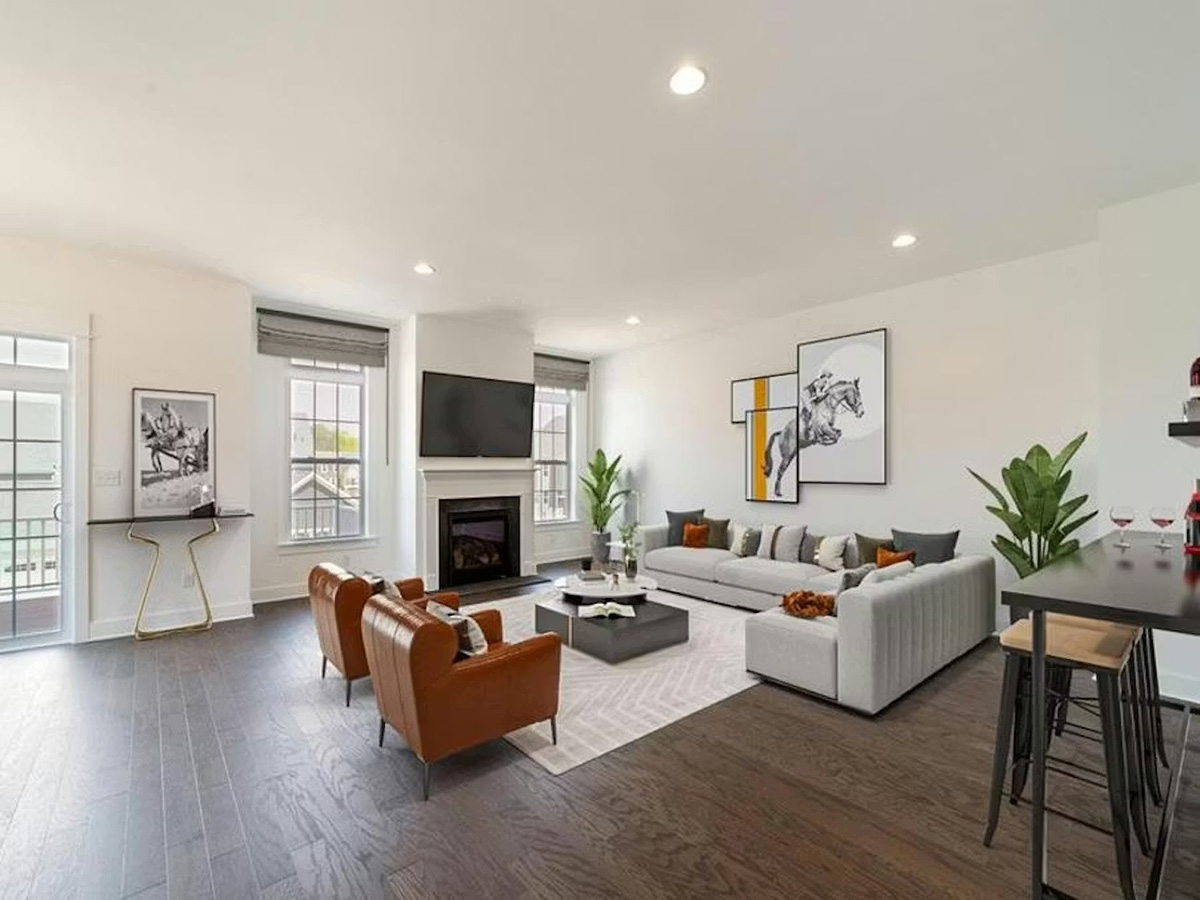
One of the most reassuring things we can remember is that the whole house does not have to rely on one single flooring choice.
In fact, a room-by-room approach is often the smartest one. Kitchens, mudrooms and main circulation areas may need more durability and easier cleanup. Bedrooms may benefit from more softness and warmth. Upstairs spaces may call for more sound control. This kind of flexibility often leads to better results than trying to force one material to do everything.
The best flooring for kids and dogs is often less about finding one perfect product and more about choosing the right material for each part of the home.
For many households, luxury vinyl plank is one of the strongest all-around options because it offers durability, easier cleanup and comfort. But the best choice still depends on the rooms, the activity level in the home and the look you want.
In many busy households, vinyl plank is easier to live with because it handles moisture, scratches and daily cleanup more easily. Hardwood can still be beautiful, but it often needs more care and a little more strategic placement.
Flooring with strong water resistance and a durable surface is usually easiest to maintain. Luxury vinyl plank and tile are often strong options for everyday cleanup in active homes.
Not always. Carpet can still make sense in bedrooms or quieter spaces where softness matters more, but it may be less practical in high-traffic areas or places where spills and messes happen often.
Medium tones, lower-sheen finishes and some surface texture often hide everyday wear better than very dark, very light or very glossy floors.
Not necessarily. A room-by-room approach often works better, especially when some spaces need more durability while others benefit more from warmth or softness.
The right flooring is usually not the one that looks perfect for five minutes. It is the one that still feels like the right choice after muddy paws, dropped snacks, busy mornings and all the little moments that make a house feel lived in. As an experienced local home builder, we believe the most successful homes balance beauty with real-life function, and flooring is a great example of that. With more than a century of homebuilding history, a thoughtful design process and Design Studio guidance that helps buyers make confident choices, we know the best finish decisions are the ones that support the way a family actually lives. When flooring fits the rhythm of daily life, the whole home feels easier to enjoy.