

Building a new construction home moves through 14 stages: reserving your homesite, signing the Agreement of Sale, personalizing your home, getting your mortgage approved and permits pulled, site preparation and foundation, framing, mechanical rough-ins, a pre-drywall review, insulation and drywall, interior finishes, exterior work and landscaping, final inspections, a pre-settlement review, and settlement. On the construction side, the typical on-site stages add up to roughly 15 to 28 weeks of work, though real-world schedules run longer once inspections, materials, and weather are factored in. Here’s every stage in order, with specifics on what happens, how long it typically takes, and how the JPOrleans building process fits in at each step.
The JPOrleans building process has 7 buyer milestones: Reservation of Home Site, Agreement of Sale with Earnest Money Deposit, Personalization, Pre-Construction Review, Pre-Drywall Review, Pre-Settlement Review, and Settlement with a Ten-Year Warranty.
Construction begins only after your mortgage is approved, all earnest money is received, your selections are finalized, and all contingencies are removed.
Typical industry durations are 2 to 4 weeks for site preparation and foundation, 3 to 6 weeks for framing, 3 to 5 weeks for mechanical rough-ins, 2 to 3 weeks for insulation and drywall, 4 to 8 weeks for interior finishes, and 1 to 2 weeks for final inspections.
Municipal inspections happen in a set order before walls close: framing, rough plumbing, rough electrical, rough HVAC, then insulation.
The Pre-Drywall Review is your last chance to see inside the walls and finalize electrical options, structural options, and grading swales.
Nationally, a new single-family home took an average of 8.8 months from permit authorization to completion in 2025, including about 1.4 months to start and 7.4 months of construction, according to Census Bureau data analyzed by the National Association of Home Builders.
Every JPOrleans home includes a transferable 10-year limited warranty and two post-settlement reviews.
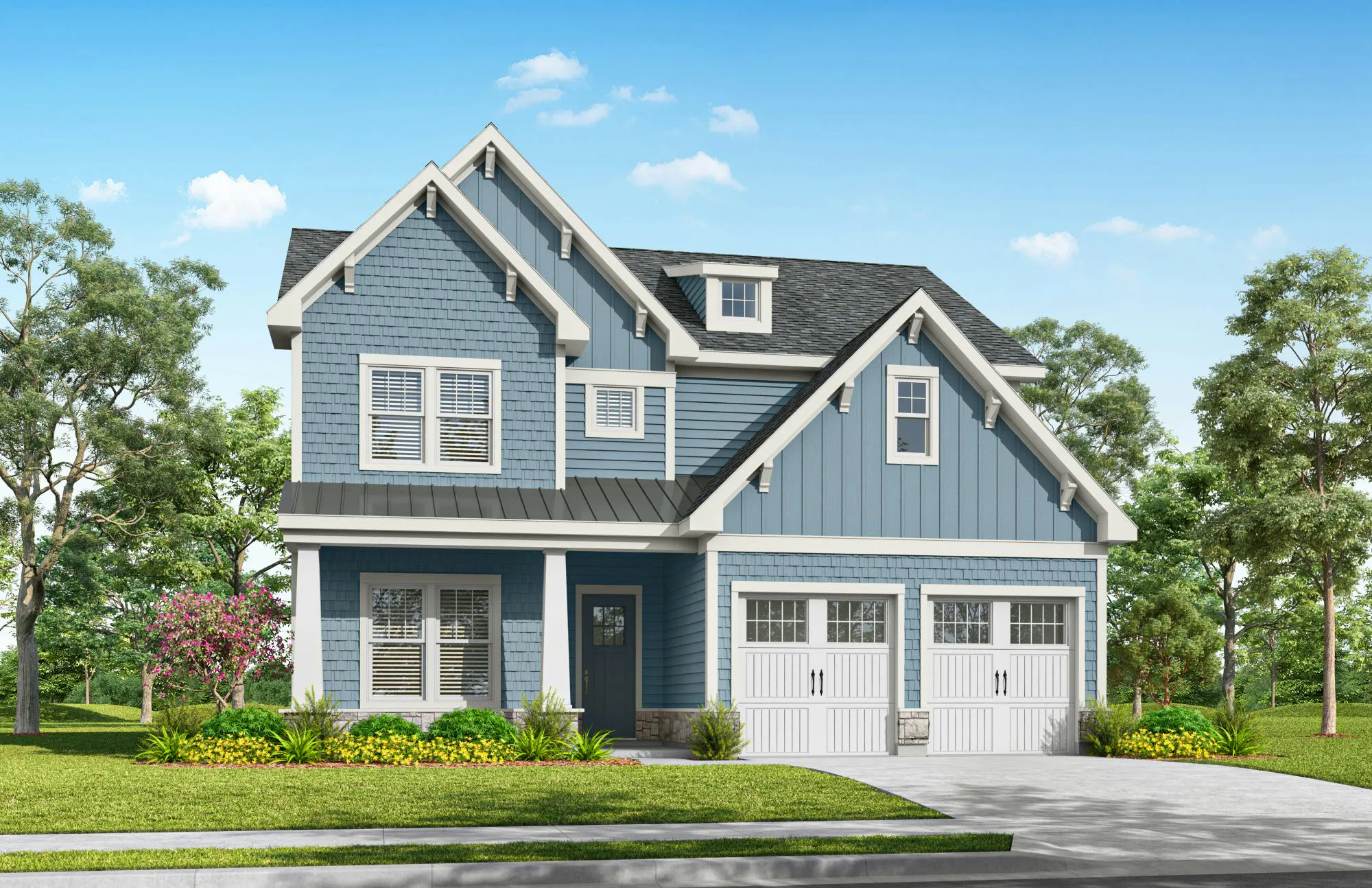
Building a house runs on two tracks at once. The first is the buyer track: reserving, contracting, choosing finishes, and getting financing. The second is the construction track: the physical stages from excavation to final inspection. In the JPOrleans process, steps 1 through 4 are mostly buyer-side, steps 5 and 6 mark the checkpoints during construction, and step 7 is settlement. We’ve organized the 14 stages below so you can see both tracks together.
If you’re still in the early research phase, our overview of what to know before you start building a house is a useful companion.
Everything starts with choosing a homesite, and it matters more than most buyers expect, since the lot influences the foundation type, the grading plan, the orientation of your home, and which floor plans fit.
JPOrleans Step 1: Reservation of Home Site. Your Community Sales Manager can save your home site and freeze pricing on your behalf with a small refundable deposit. Once your site is reserved, our team reviews the options and features that require your selection at the Agreement of Sale, so you can move forward with confidence.
The Agreement of Sale is the contract that locks in your floor plan, homesite, price, and included features, along with contingencies such as mortgage approval.
JPOrleans Step 2: Agreement of Sale with Earnest Money Deposit. Once you’re ready to sign, a down payment is required. The percentage depends on two factors: the community and the price of the home, and your Community Sales Manager reviews it with you in full.
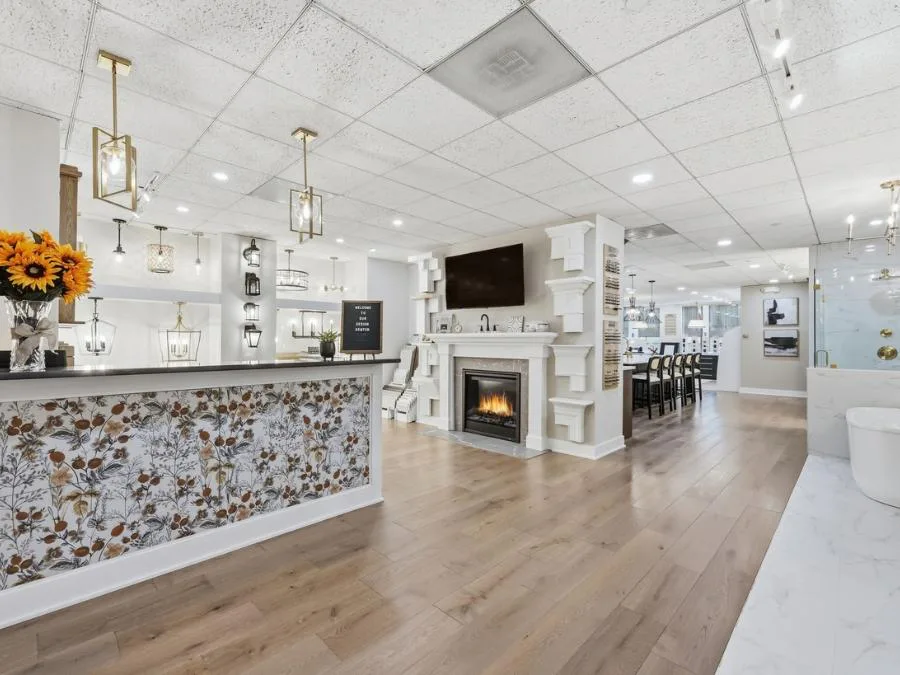
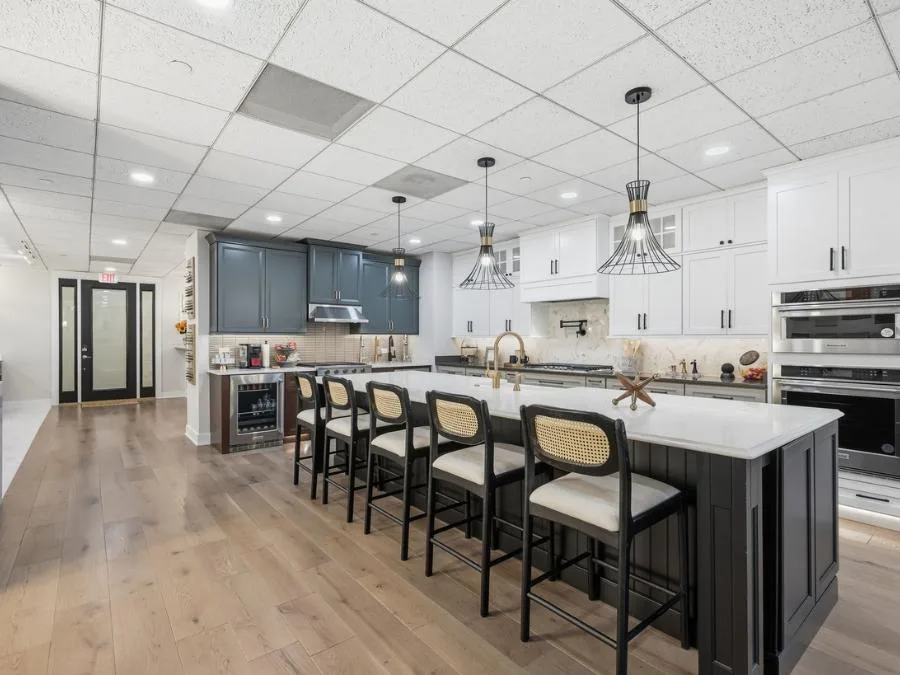
This is where a floor plan becomes your home. Structural options, electrical options, flooring, cabinetry, countertops, tile, lighting, and fixtures are all selected during this stage, and it pays to decide early. Cabinet lead times of 8 to 12 weeks are common across the industry, so late selections are one of the most frequent causes of schedule delays.
JPOrleans Step 3: Personalization. After the Agreement of Sale is finalized, our homebuilding team helps you personalize your home with the design features you want, working with a Design Studio Coordinator at our Design Studio. An additional deposit may be required upon completion of this step.
Before a shovel hits the ground, financing and paperwork have to be complete. Understanding how a construction loan differs from a traditional mortgage can help you plan this stage, and our financing resources walk through the options.
JPOrleans Step 4: Pre-Construction Review. Once your mortgage is approved, all earnest money is received, your personalized selections are finalized, and all contingencies are removed, the real building process begins. Our team obtains all permits on your behalf, and we hold a Pre-Construction Review meeting with the Builder and Community Sales Manager to review plans, elevations, selections, the construction process, expectations, and guidelines.
Typical duration: 2 to 4 weeks (a full basement foundation sits at the longer end, while slab foundations are quicker).
This is the first physical stage, and it includes:
Surveying and staking the lot and installing erosion control
Clearing and excavating to the planned depth
Pouring the footings, which spread the home’s weight across the soil
Forming and pouring foundation walls, which typically cure for roughly 7 to 10 days
Waterproofing and installing drainage, plus underground plumbing rough-in
Footing and foundation inspections before backfilling
Weather matters most at this stage, since rain and frozen ground can delay pours.
Typical duration: 3 to 6 weeks.
Framing is when the house first takes recognizable shape. Crews build the floor system, exterior and interior walls, and the roof structure, then add sheathing, house wrap, windows, and exterior doors. Once the roof and exterior are sheathed and covered, the home is considered “dried in,” protecting everything inside from the weather. A framing inspection is required before mechanical work can begin.
Typical duration: 3 to 5 weeks.
With the frame up, the trades install the systems that live inside the walls: plumbing supply and drain lines, electrical wiring and boxes, and HVAC ductwork. Each system is inspected before it’s closed up, in this typical order: rough plumbing, rough electrical, rough HVAC, and then insulation. A failed inspection means correcting the issue and rescheduling, which is one of the most common sources of small delays.
This is the checkpoint buyers tend to value most, because once drywall goes up, you can’t see inside your walls again.
JPOrleans Step 5: Pre-Drywall Review. Once your home is framed out and ready for drywall, we conduct a Pre-Drywall Review with you. At this time, you can review and finalize the locations of electrical options, structural options, and grading swales, and we walk you through the remainder of the process, including the target settlement date.
Typical duration: 2 to 3 weeks (insulation takes 3 to 7 days, and drywall takes the rest).
Once the rough-in inspections pass, insulation goes into the walls and ceilings and is inspected before drywall begins. Drywall is then hung, taped, finished with multiple coats of joint compound, sanded, and primed. This is the stage where the pace seems to slow, because each coat has to dry before the next one goes on.
Typical duration: 4 to 8 weeks.
This is the longest single stage and the one where your selections become visible. It includes interior trim and doors, painting, cabinet installation, countertops (measured after cabinets are in), flooring, tile, plumbing and light fixtures, and appliances. Because so many trades overlap here, sequencing matters, and delays in one product, like cabinets or tile, can hold up everything that follows.
Exterior work often overlaps with interior stages: siding, roofing, driveways, and walkways, followed by final grading and landscaping. Final grading includes the swales you reviewed at the Pre-Drywall Review, which direct water away from the home. Landscaping timing often depends on the season.
Typical duration: 1 to 2 weeks.
Before you can move in, the municipality’s building inspectors verify that all work meets code, typically including final electrical, plumbing, HVAC, and general building inspections, which generally take 3 to 7 days. Once the home passes, the jurisdiction issues a certificate of occupancy, and any punch list items are corrected.
JPOrleans Step 6: Pre-Settlement Review. A few weeks before settlement, we conduct a Pre-Settlement Review to present you with the features and warranty procedures of your new home, so you know how everything works and how to request service if you need it.
JPOrleans Step 7: Settlement and Ten-Year Warranty. Settlement Day is here: final paperwork, funds, and keys. In addition to two post-settlement reviews, your new JPOrleans home comes with a transferable 10-year limited warranty. Once you’re moved in, our guide to home maintenance tips every new homeowner should know helps you get the most from your investment.
Adding up the typical on-site durations above gives a range of roughly 15 to 28 weeks:
Site preparation and foundation: 2 to 4 weeks
Framing: 3 to 6 weeks
Mechanical rough-ins: 3 to 5 weeks
Insulation and drywall: 2 to 3 weeks
Interior finishes: 4 to 8 weeks
Final inspections and walkthrough: 1 to 2 weeks
Real schedules run longer than the sum of the parts. Census Bureau data analyzed by the National Association of Home Builders shows an average of about 7.4 months of construction and 8.8 months from permit authorization to completion for single-family homes in 2025, because trades wait on inspections, materials, and weather between stages. That’s also why the target settlement date we share at the Pre-Drywall Review is based on your actual home’s progress.
Late selections: Long-lead items like cabinetry (8 to 12 weeks is common) can stall interior finishes if they’re ordered late.
Weather: Foundation and framing are the most weather-sensitive stages.
Inspection scheduling: A failed or delayed inspection holds up the stage that follows it.
Changes after construction starts: This is exactly why the JPOrleans process finalizes selections and removes contingencies before the real building process begins.
If you’re ready to move sooner, quick move-in homes skip most of these stages, and our post on what a quick move-in home offers explains how they compare.
The stages of building a house are far less intimidating once you know what each one involves and when your decisions matter most. We build new homes in Pennsylvania, New Jersey, and North Carolina, and our team is always happy to walk you through the process for the community you’re considering. You can contact us to get started.
The main stages are: reserving a homesite, signing the Agreement of Sale, personalizing your home, mortgage approval and permits, site preparation and foundation, framing, mechanical rough-ins, a pre-drywall review, insulation and drywall, interior finishes, exterior work and landscaping, final inspections, a pre-settlement review, and settlement.
Seven: Reservation of Home Site, Agreement of Sale with Earnest Money Deposit, Personalization, Pre-Construction Review, Pre-Drywall Review, Pre-Settlement Review, and Settlement and Ten-Year Warranty.
After your mortgage is approved, all earnest money is received, your personalized selections are finalized, and all contingencies are removed. At that point, our team obtains all permits on your behalf and holds the Pre-Construction Review.
It’s a walkthrough after framing and before drywall, when you can still see inside the walls. At JPOrleans, you review and finalize the locations of electrical options, structural options, and grading swales, and we walk you through the rest of the process, including the target settlement date.
Typical industry ranges are 2 to 4 weeks for site preparation and foundation, 3 to 6 weeks for framing, 3 to 5 weeks for mechanical rough-ins, 2 to 3 weeks for insulation and drywall, 4 to 8 weeks for interior finishes, and 1 to 2 weeks for final inspections. Actual timelines vary by home, location, and weather.
Every JPOrleans home comes with a transferable 10-year limited warranty, along with two post-settlement reviews.